Back Pay Explained: How Cancer Patients Can Receive $10,000–$50,000 in Retroactive Disability
Most people think disability benefits start the day you’re approved.
That’s not how it actually works—and this misunderstanding alone costs cancer patients tens of thousands of dollars.
Let’s break down disability back pay in plain English, so you know what’s possible and how to protect it.
What Disability Back Pay Really Is
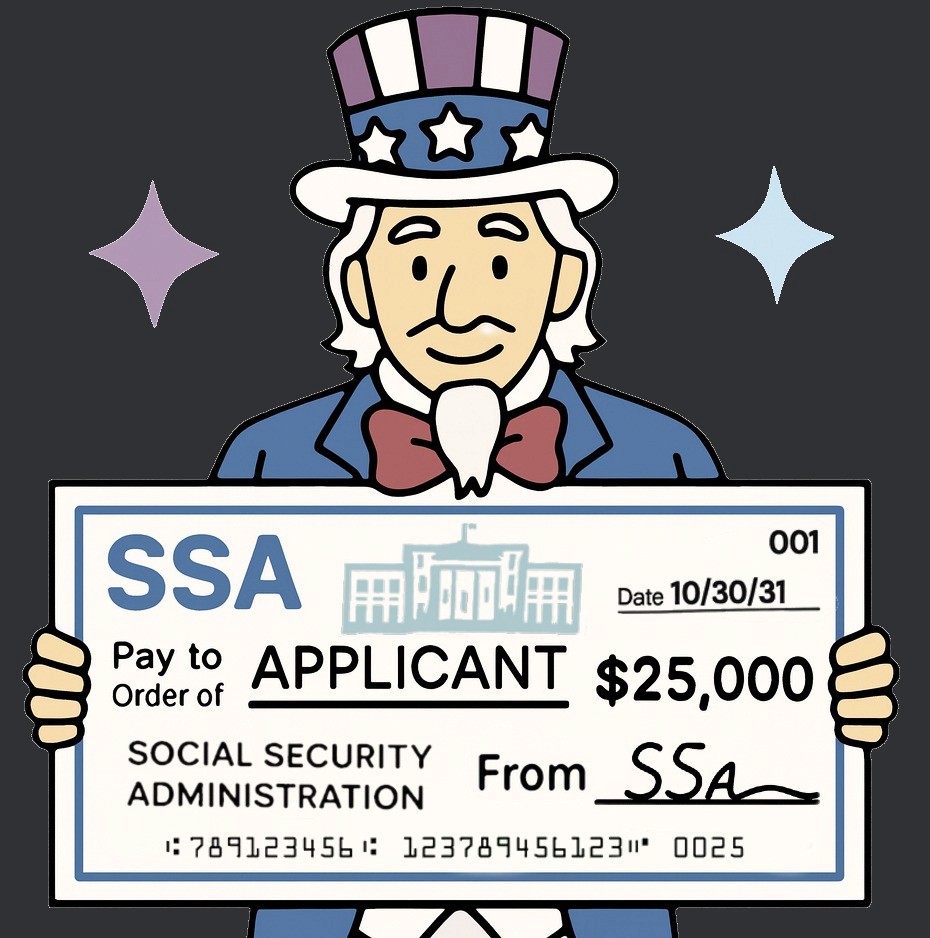
Disability back pay is money Social Security owes you for months you were disabled before your claim was approved.
If cancer forced you to stop working months (or years) ago, SSA may owe you a lump sum for that time.
This is why many cancer patients receive checks anywhere from $10,000 to $50,000+ after approval.
How Social Security Decides Your “Onset Date”
The most important date in your entire claim is your disability onset date.
This is the date Social Security agrees your cancer (or its treatment) made you unable to work.
That date is based on:
When you stopped working or reduced work below limits
Medical records showing symptoms, treatment, or decline
Doctor notes describing functional limitations
Earlier onset date = more back pay.
Later onset date = less money.
The 5-Month Waiting Period (Yes, It Matters)
For SSDI (not SSI), Social Security enforces a mandatory 5-month waiting period after your onset date.
You do not get paid for those first five months.
Back pay starts in month six.
Example:
Onset date: January
Waiting period: January–May
Back pay starts: June
This is why getting the onset date right is critical.
Why Documentation Timing Is Everything
SSA doesn’t care when you felt disabled.
They care when the records prove it.
Late documentation can cost you months of back pay.
What helps most:
Treatment start dates (chemo, radiation, surgery)
Notes about fatigue, pain, brain fog, infections
Doctor statements about work limitations
Records showing reduced hours or stopped work
This is also why many self-filed claims leave money on the table.
Typical Back Pay Ranges (Realistic Examples)
Back pay depends on:
Your monthly benefit amount
How long approval takes
Your onset date
Rough estimates:
6 months of back pay at $1,800/month ≈ $10,800
12 months ≈ $21,600
24 months ≈ $43,200
Aggressive cancers and appeals often land on the higher end.
How Appeals Can Increase Back Pay
Here’s the silver lining of a denial.
If you appeal and eventually win, back pay keeps accumulating the entire time.
Many patients receive larger lump sums after appeals because:
The onset date stays early
The clock keeps running
I’ve seen appeals add $15,000–$30,000 in extra back pay.
Why Working “Too Long” Can Reduce Benefits
This is a painful one.
If you push yourself to keep working after cancer makes it unrealistic:
SSA may push your onset date later
Your back pay shrinks
Your claim weakens
This doesn’t mean you did anything wrong.
It means timing matters more than grit here.
Lump Sum vs. Monthly Payments
Back pay arrives as a one-time lump sum.
Monthly benefits continue after approval.
Use the lump sum wisely:
Catch up on rent, utilities, debt
Build a small safety buffer
Reduce stress so healing can come first
Fee Caps and Consumer Protections
If you use a disability attorney or advocate:
Fees are capped at 25% of back pay
Maximum fee is $9,200
Paid only if you win
No upfront costs. No surprise bills.
Plan for Relief—Not Just Approval
Disability back pay isn’t a windfall.
It’s delayed income you already earned.
Handled well, it can:
Stabilize your finances
Reduce chronic stress
Buy you time and breathing room to heal
If you’re unsure when your onset date should be—or whether you’re leaving money on the table—get help early.
That one decision can easily be worth tens of thousands of dollars.