Co-Pay Assistance vs. PAPs: What’s the Difference?
A Clear Guide to Understanding Your Medication Financial Aid Options
The sticker shock that comes with cancer medications can feel like another blow when you’re already reeling from a diagnosis. Whether it’s chemotherapy drugs, targeted therapies, or supportive care medications for side effects, the costs can quickly become overwhelming, even with insurance. As a survivor who faced the financial toxicity of treatment head-on, I know the anxiety of wondering how you'll possibly afford the medicines needed to heal.
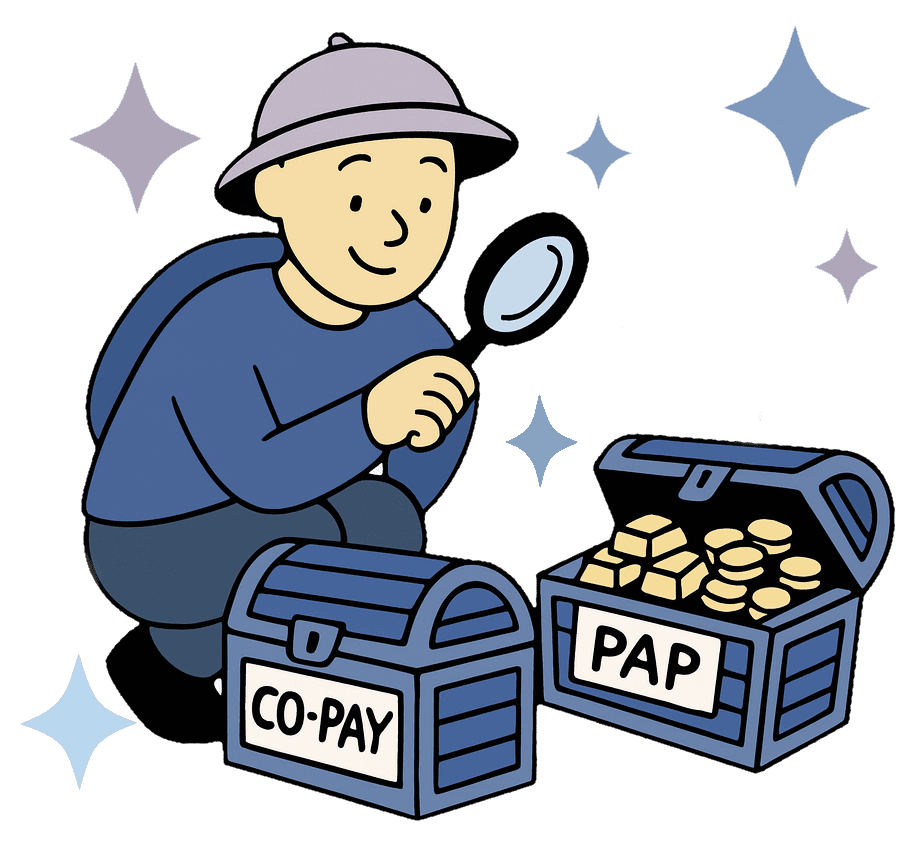
The good news is that you don't have to navigate this alone, and there are significant resources specifically designed to help. There are two primary types of support: Co-Pay Assistance Programs and Patient Assistance Programs (PAPs). Understanding the difference is key to unlocking the right help for your situation. This guide will clarify which is which, who they help, and how they work.
Quick Guide: Co-Pay Assistance vs. Patient Assistance Programs (PAPs)
Co-Pay Assistance:
Who it helps: Primarily patients WITH health insurance (commercial/private, sometimes Medicare).
What it covers: Helps pay your out-of-pocket costs, such as co-pays, deductibles, and co-insurance, for specific medications.
Who runs it: Often independent charitable foundations (like PAN Foundation, HealthWell) or sometimes drug manufacturers.
Patient Assistance Programs (PAPs):
Who it helps: Primarily patients WITHOUT health insurance or who are UNDERINSURED (insurance doesn't cover the drug well). Often requires meeting specific income criteria.
What it covers: Provides the medication itself directly from the manufacturer, either for free or at a very low cost.
Who runs it: Directly operated by pharmaceutical manufacturers.
Why Understanding the Difference Matters
Knowing which program type fits your situation saves precious time and energy. Applying for the wrong type of aid can lead to delays and frustration when you need help quickly.
Makes Treatment Affordable: These programs can drastically reduce or eliminate the cost barrier to essential medications.
Ensures Treatment Adherence: Financial struggles shouldn't force you to skip doses. This aid helps you stick to your prescribed plan.
Reduces Financial Stress: Alleviating the worry about medication costs allows you to focus more energy on healing and well-being.
Diving Deeper: Understanding Each Program Type
Co-Pay Assistance Programs: Bridging the Insurance Gap
If you have insurance but are struggling with high co-pays or deductibles for your medications (which is common with newer, expensive cancer drugs), co-pay assistance is likely your first stop.
How it works: These programs, often run by non-profit foundations, provide grants to eligible patients to cover their out-of-pocket expenses for specific drugs covered by their insurance. You still use your insurance, but the foundation helps pay your share.
Eligibility: Typically requires having insurance, meeting certain income guidelines (often based on a percentage of the Federal Poverty Level, like 400% or 500%), and being prescribed an FDA-approved medication for a specific diagnosis that the foundation covers.
Finding Them: Major foundations include the PAN Foundation, HealthWell Foundation, Patient Advocate Foundation Co-Pay Relief, CancerCare, and Good Days. Your oncology social worker is an excellent resource for finding funds specific to your diagnosis.
Patient Assistance Programs (PAPs): A Lifeline for the Uninsured or Underinsured
If you don't have insurance, or your insurance plan doesn’t cover a specific, costly medication, PAPs run by the drug manufacturers themselves might be the answer.
How it works: Eligible patients can receive the medication directly from the manufacturer at no cost or at a significantly reduced cost. This often involves an application process that requires proof of income and a diagnosis.
Eligibility: Primarily designed for those with limited or no prescription drug coverage and who meet specific financial criteria set by the manufacturer. Some PAPs may help Medicare patients who fall into coverage gaps.
Finding Them: You can find PAPs by visiting the drug manufacturer's website directly or by using online search tools like the Medicine Assistance Tool (MAT.org), which consolidates information on many PAPs. Your doctor's office or social worker can also help identify and apply for relevant PAPs.
Survivor Tip: Persistence Pays Off
When I was going through treatment, accessing these programs felt like another battle. Funds would open and close; paperwork seemed endless. But persistence, and the help of a dedicated social worker, made all the difference. We applied for everything I might qualify for. Some came through, some didn't, but the ones that did significantly eased the financial burden on my family. Don't get discouraged if one application is denied or a fund is temporarily closed – keep looking and keep applying with help.
A Final Word: You Don't Have to Choose Between Health and Solvency
The cost of cancer care is daunting, but you are not expected to bear it alone. Co-pay assistance programs and PAPs exist because access to medication is a critical part of treatment. Understanding how they work and who they serve is the first step toward getting the help you need. Reach out, ask questions, and utilize these lifelines.
Need Help Navigating Medication Costs?
Figuring out co-pay programs and PAPs can be confusing. Evolve Health is here to guide you.
Talk: Book a free intro call. We’ll listen to your situation and identify potential avenues for assistance.
Map: We’ll create a personalized map of specific co-pay funds and PAPs you might qualify for based on your diagnosis, insurance, and income.
Activate: We provide hands-on help with gathering documents, completing applications, and following up to get assistance flowing.
This article is for educational purposes and does not constitute financial or medical advice. Always consult with your healthcare team and financial advisors.
Related Topics: cancer medication costs, financial assistance for prescriptions, co-pay assistance foundations, patient assistance programs, PAP, how to afford cancer drugs, financial toxicity.