
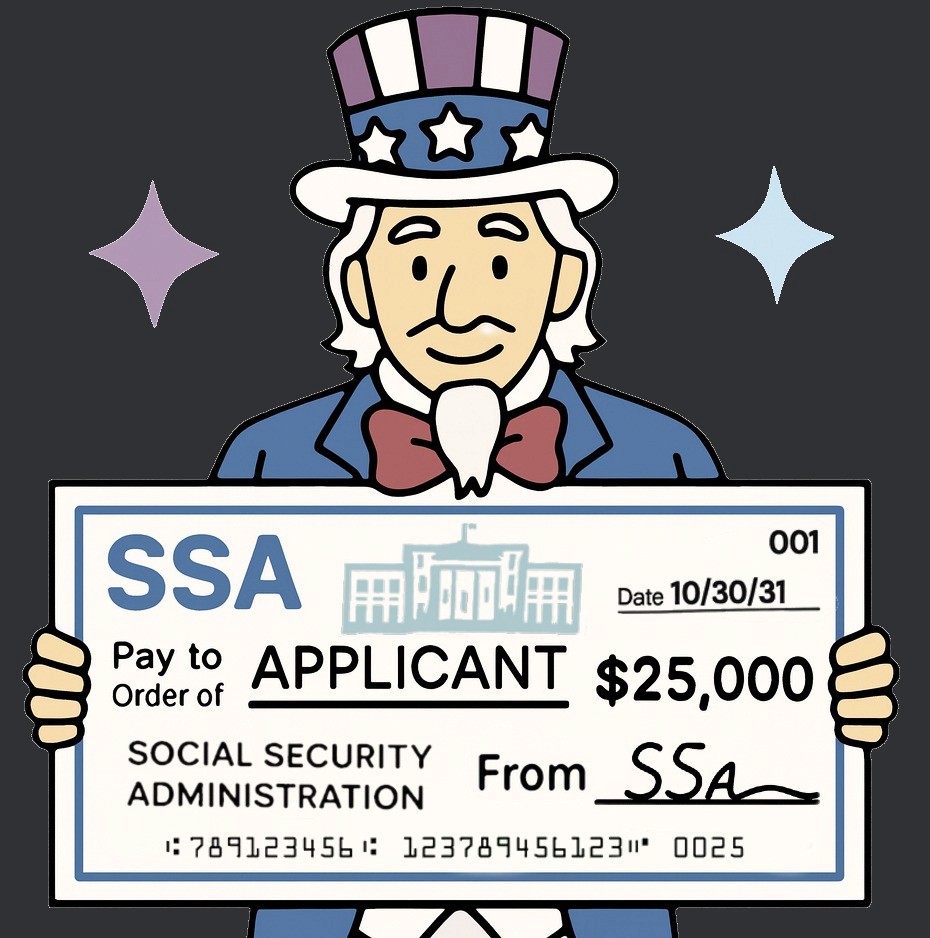
SSDI for Cancer Patients: The Income Lifeline Most People Miss

When cancer shows up, paychecks often disappear long before the bills do—and almost no one explains what income support actually exists.
Social Security Disability Insurance (SSDI) is one of the most powerful (and misunderstood) financial lifelines available to cancer patients. I see people qualify every week who never knew they could.
Let’s break it down clearly.
Why Cancer Often Qualifies as a Disability
Social Security doesn’t approve benefits based on diagnosis alone—but cancer frequently meets their definition of disability.
You may qualify if cancer or treatment:
Prevents full-time work
Causes fatigue, pain, cognitive issues, or infection risk
Is expected to last 12 months or longer (or is terminal)
Active treatment alone is often enough to meet this standard.
SSDI vs. SSI (Plain English)
SSDI: Based on your work history and payroll taxes
SSI: Needs-based for people with very low income/assets
Many cancer patients qualify for SSDI, even if they’ve never been “disabled” before.
How Work Credits Actually Work
Think of SSDI like insurance you already paid into.
Most adults qualify if they:
Worked ~5 of the last 10 years before illness
Paid Social Security taxes during that time
Younger patients often need fewer credits.
What “Substantial Gainful Activity” (SGA) Means
This is critical.
In 2025:
You generally must earn under ~$1,620/month to qualify
SSA looks at gross earnings, not effort or hours
You don’t need to quit forever—but timing matters.
Typical Monthly Benefit Amounts
Most people receive:
$1,300–$1,700/month
Some receive more. Some less.
It’s based on past earnings—not severity of illness.
Back Pay (Explained Simply)
SSDI can pay you retroactively:
From when you stopped working due to illness
Often 5–18 months of back pay
Sometimes tens of thousands in one lump sum
Myths That Stop People from Applying
“I’ll recover soon, so I shouldn’t apply”
“I worked too recently”
“I don’t look disabled”
“It takes too long to be worth it”
Most of these are wrong.
Why Applying Early Matters
The clock starts when you apply—not when you’re approved.
Waiting often means:
Lost back pay
Financial damage you can’t undo
Compassionate Allowances (CAL)
Some cancers qualify for fast-track approval—sometimes weeks, not months.
If your cancer is aggressive or advanced, this matters a lot.
When to Get Professional Help
SSDI is paperwork-heavy and unforgiving.
Support helps when:
Income is near the limit
Diagnosis is complex
You want to avoid denial delays
Next Step:
If work has stopped—or slowed—because of cancer, SSDI is worth checking now, not later.