Why Financial Stress Worsens Health Outcomes

Here’s a hard truth most people don’t hear from their doctors:
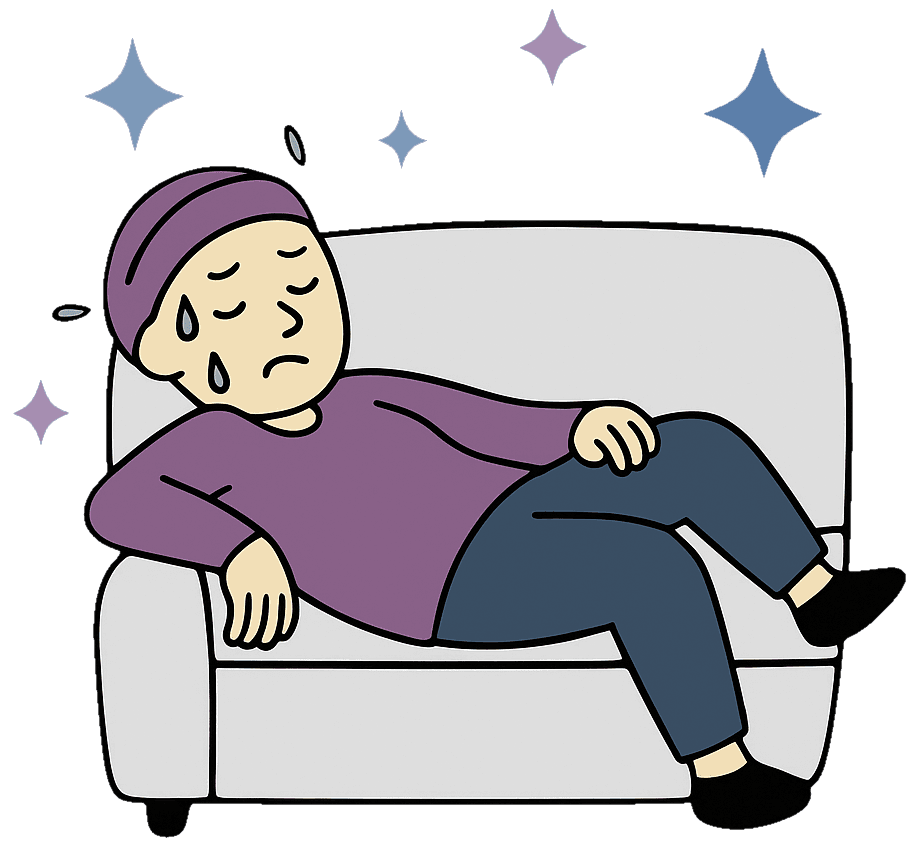
Financial stress isn’t just a side effect of cancer — it actively makes health outcomes worse.
This isn’t mindset fluff or “just stay positive” advice. It’s biology, behavior, and systems colliding at the worst possible time.
Let’s break down what’s actually happening — and why reducing financial stress is a legitimate part of treatment.
1. Chronic Stress Disrupts the Body’s Healing Systems
When money stress becomes constant, your body stays stuck in survival mode.
That means:
Elevated cortisol (stress hormone)
Increased inflammation
Suppressed immune function
Poor sleep and slower recovery
Your body can’t prioritize healing when it’s constantly scanning for danger — and financial instability registers as a real threat.
Cancer already taxes the immune system. Chronic stress piles on top of that load.
2. Financial Stress Changes Medical Behavior
This part is especially important — and widely documented.
Patients under financial pressure are more likely to:
Delay appointments
Skip follow-ups or scans
Take medications inconsistently
Decline supportive care (nutrition, therapy, rehab)
Avoid reporting symptoms to avoid “more bills”
These aren’t bad choices. They’re survival decisions made under pressure.
But over time, they directly affect outcomes.
3. Treatment Adherence Drops When Money Is Tight
Even small costs become barriers:
Co-pays
Transportation
Parking
Time off work
Childcare during appointments
When each visit carries a financial hit, patients subconsciously ration care — stretching timelines, skipping extras, and hoping things “hold steady.”
Hope isn’t a strategy. Access matters.
4. Mental Health Takes a Hit — and That Matters
Anxiety and depression aren’t just emotional experiences. They affect:
Pain perception
Energy levels
Motivation
Cognitive clarity
Ability to advocate for yourself
Financial stress is one of the strongest predictors of emotional distress during cancer. And untreated distress correlates with worse quality of life and poorer overall outcomes.
Again: this isn’t weakness. It’s cause and effect.
5. Caregivers Feel It Too — and That Affects Patients
When finances strain the household:
Caregivers burn out faster
Tension increases
Support becomes inconsistent
Emotional safety erodes
Patients pick up on this — even when no one says it out loud.
Healing doesn’t happen in isolation. It happens in context.
Why Reducing Financial Stress Is Medical Care
Let’s call this what it is.
Stabilizing finances:
Improves treatment adherence
Reduces anxiety and depression
Improves sleep and energy
Supports immune recovery
Keeps patients engaged in care
This is why many oncology guidelines now recognize financial toxicity as a clinical issue — not just a billing problem.
What Actually Helps (Clinically and Practically)
1. Early Financial Intervention
Patients who receive financial navigation early have:
Fewer treatment delays
Better adherence
Lower distress
Timing matters more than perfection.
2. Income Stabilization
Disability benefits, grants, and emergency assistance don’t just help financially — they calm the nervous system.
That calm has downstream health effects.
3. Cost Transparency
Knowing what’s coming reduces fear. Even bad news is easier to handle than uncertainty.
Bottom Line
Financial stress doesn’t just make cancer harder.
It actively interferes with healing.
Reducing that stress isn’t “extra.” It’s foundational.
When money pressure eases, the body gets a fighting chance to do what it’s designed to do — recover, adapt, and heal.